Capturing the spirit of South Dakota in every gift!


Your cart is currently empty
Product image slideshow Items
Available in store
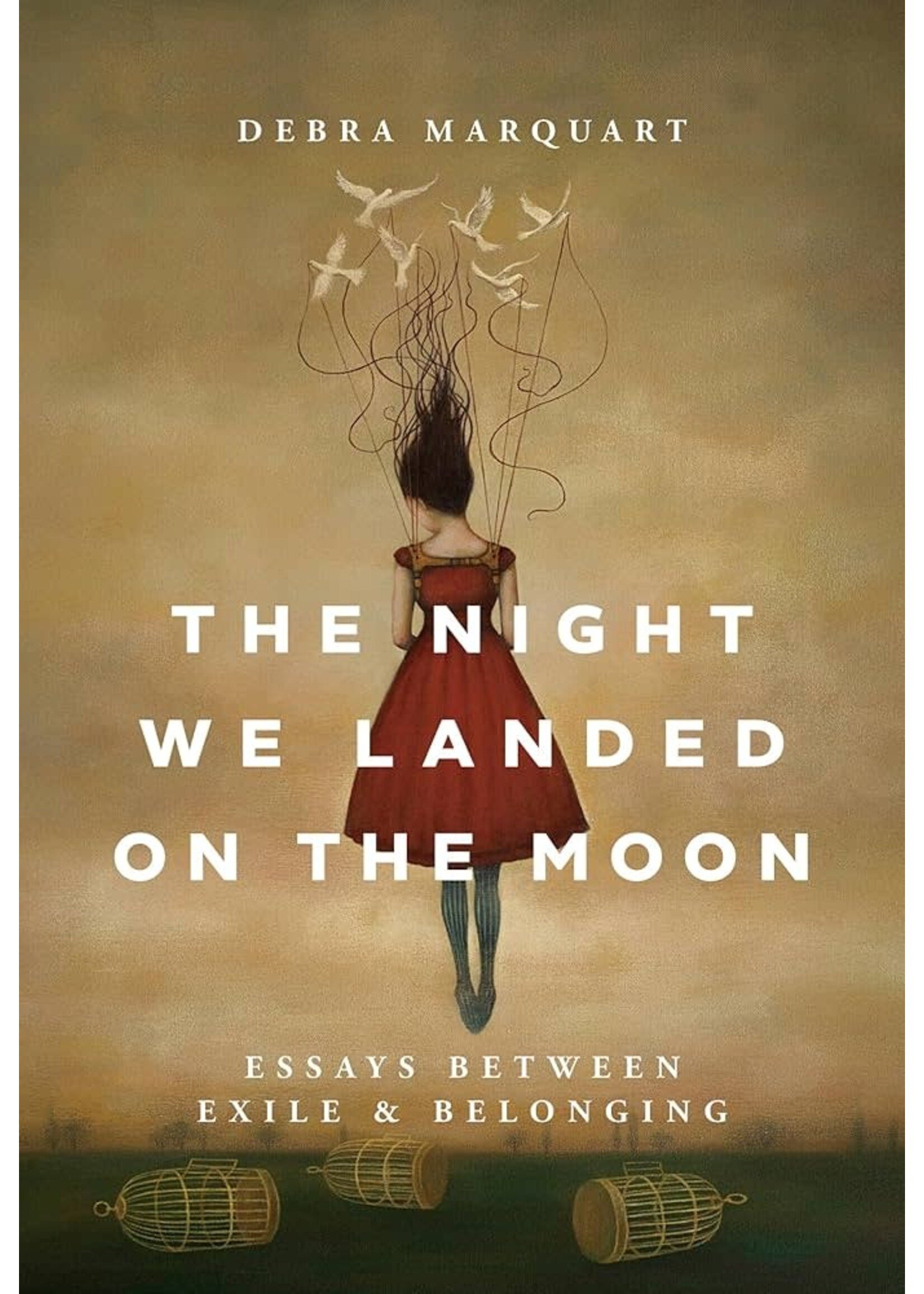
Close"Debra Marquart's newest memoir, an assemblage of essays, explores the space between states of exile and belonging, the seemingly irresolvable dilemma of the restless homebody. Marquart was born into a family of land-loving people--farmers known as the ethnic group Germans-from-Russia--who had emigrated from Russia to the United States between 1886 and 1911 and taken up land claims in Dakota Territory. Her grandparents tended their farms and fields, never dreaming of moving another inch away from the homes they had made. By contrast, Marquart grew up a restless, imaginative child in that same agricultural place, yearning to strike out for places more interesting as soon as she was old enough to take flight. All seemed simple enough until Marquart realized that her family's stubborn attachment to place grew out of a traumatic multi-generational history of flight, migration, dispossession, and exile from their previous homelands in Europe. Her grandfathers and all her great-grandparents had emigrated to the United States from villages in south Russia, along the Black Sea. And, in a familial pattern going back several more generations, their own great-grandparents had experienced a traumatic uprooting one hundred years earlier when they fled the Rhine region of western Europe on the run from the chaos of the French Revolution. Her more distant ancestors had migrated east along the Danube in 1803 to reach their land claims in south Russia, just as her more immediate ancestors had fled their villages in south Russia to come west to America. As Marquart researched her family history, the revelation about multi-generational patterns of forcible removal from homelands helped her to contextualize her own complicated relationship with ideas of exile and belonging. She realized she came by her restlessness honestly, an American kid weaned on wanderlust and the promise of education calling her to leave home and never return. In The Night We Landed on the Moon, Marquart works out the tensions between divergent impulses--the restlessness in the feet to always move forward into the world, mixed with the opposing desire to turn around, look back, and sometimes even settle in and claim to belong."--Amazon.com
About the author: Debra Marquart is a Distinguished Professor of Liberal Arts and Sciences at Iowa State University and Iowa's Poet Laureate. She is the Senior Editor of Flyway: Journal of Writing & Environment. A memoirist, poet, and performing musician, Marquart is the author of six books including an environmental memoir of place, The Horizontal World: Growing Up Wild in the Middle of Nowhere and a collection of poems, Small Buried Things: Poems.
Image description: The illustration on the cover displays a woman in the center of the cover. She is wearing a red dress and has long dark hair. She is wearing a harness that is connected with strings to the white birds flying above her (it looks like they are holding her). The background has a warm, earthy tone. At the bottom of the cover there are tree gold bird cages laying on what looks like the ground. The author's name is printed at the top of the cover; the title is displayed in the center of the cover; the subtitle is printed between the women's feet and the cages on the foor.