Capturing the spirit of South Dakota in every gift!


Your cart is currently empty
Product image slideshow Items
Available in store
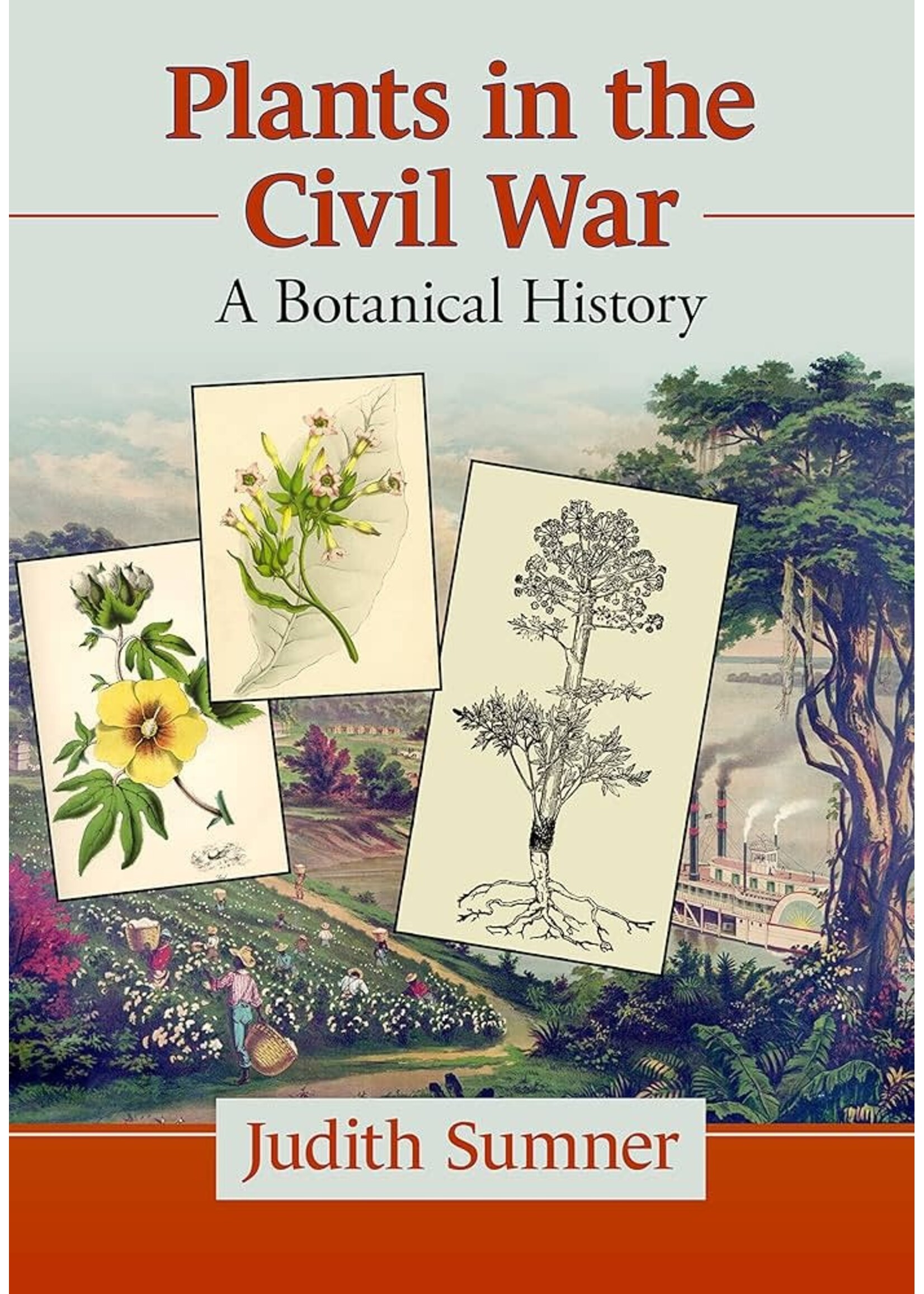
CloseSlavery was at the heart of the South's agrarian economy before and during the Civil War. Agriculture provided products essential to the war effort, from dietary rations to antimalarial drugs to raw materials for military uniforms and engineering. Drawing on a range of primary sources, this history examines the botany and ethnobotany of America's defining conflict. The author describes the diverse roles of cash crops, herbal medicine, subsistence agriculture and the diet and cookery of enslaved people.
About the Author: Judith Sumner is a botanist specialized in ethnobotany, flowering plants, plant adaptations, and garden history. In 2007, she was awarded the Gertrude B. Foster Award for Excellence in Herbal Literature by the Herb Society of America.
Image Description: The front cover illustration shows a colorful illustration of a farm field across a river. With the title on top, botanical illustrations in the fore frond, and the author's name on the bottom.